Sayyid Al-Hakeem: Building Inclusive National Identity Requires Respecting All Components’ Specificities
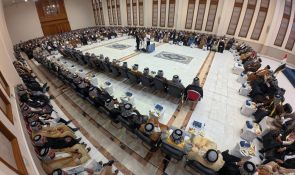
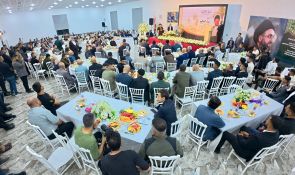
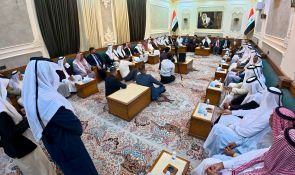
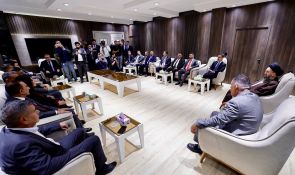
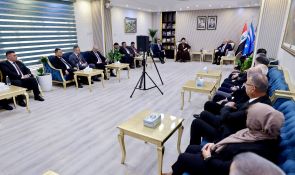
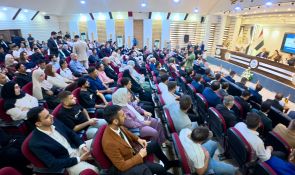
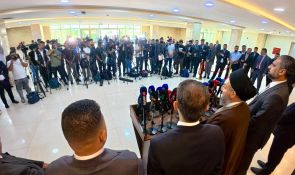
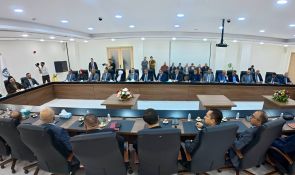
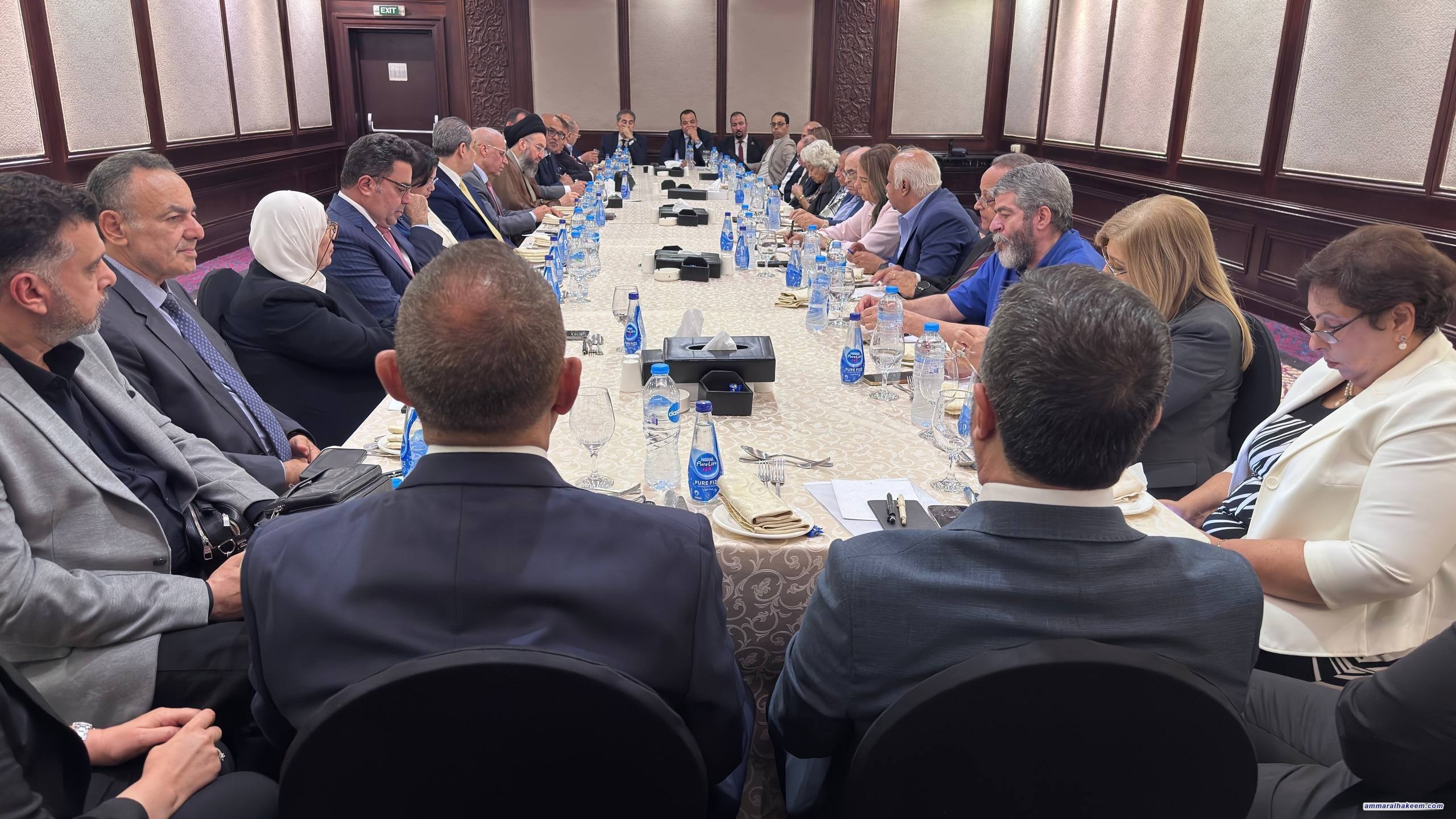
His Eminence Sayyid Al-Hakeem, Head of the National State Powers’ Alliance, met, during a visit to the Arab Republic of Egypt, with a gathering of Egyptian political and media elites and talents, explaining that the region is living through a major regional war, and that the closure of the Strait of Hormuz and the rise in oil prices constitute a pressure factor on the global economy.
H.E. pointed to Iraq’s economic priorities at this stage, represented by raising oil production in line with its population size, affirming that raising production to a rate of ten million barrels per day requires large investments through major specialized companies, in addition to diversifying export outlets through a pipeline network passing through the Red Sea and the Mediterranean, as well as freeing the economy from the rentier model and reviving productive sectors such as agriculture, industry, tourism, investment, and modern technology.
H.E. pointed to the importance of addressing the problem of weapons outside the framework of the state as an Iraqi demand and a constitutional matter, commending all efforts made in confronting terrorism, and affirming that September 30 is the starting line for resolving the weapons problem within a clear timeline that covers all weapons outside the framework of the state, as a prelude to restoring full and comprehensive sovereignty.
In response to the attendees’ interventions, H.E. renewed the call for an understanding among the five major countries of the region (Egypt, Iraq, Saudi Arabia, Iran, and Turkey) to serve as a nucleus for bringing the region’s countries together, noting that the Jaafari Personal Status Law is optional for Iraqi individuals, which is the essence of democracy, as people are free to choose their personal status law, and explaining that moderation and centrism are a difficult equation, for one may win a vote through populist and escalatory rhetoric but lose space and influence in mending rifts and resolving problems.
H.E. pointed to the importance of respecting specificities as a prelude to building an inclusive national identity, calling for the interlinking of interests between Iraq and Egypt at all levels so that it remains a shared destiny for both countries in all phases, and explaining that corruption in Iraq has, in some cases, gone beyond the stage of corruption to the stage of plundering public funds, noting that the democratic climate helps expose corruption when it is openly discussed, and that political competition and rivalry fuel such discussion.
H.E. explained that the parliamentary system is a safeguard against the return of one-man, one-opinion rule, affirming that Iraq, as a homeland for all, is a guarantee for its components, and pointing to the efforts exerted by Al-Hikma National Movement to unite ranks at the national level and among components, and sometimes within a single component and a single group.