Sayyid Al-Hakeem: Supporting Farmers, Contractors, Adapting Legislation for Investment Necessary to Overcome Economic Challenges
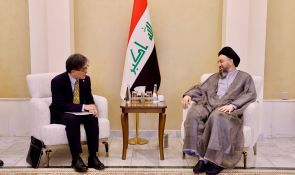
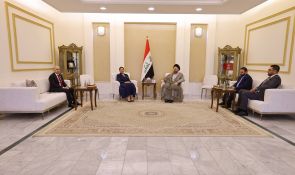
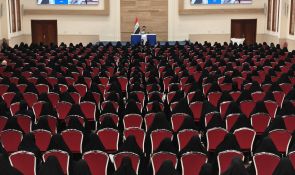
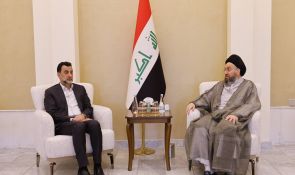
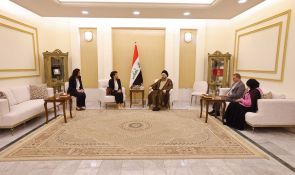
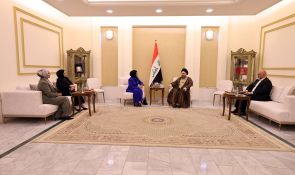
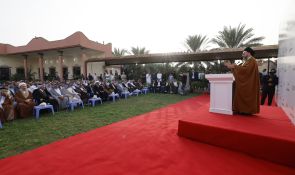
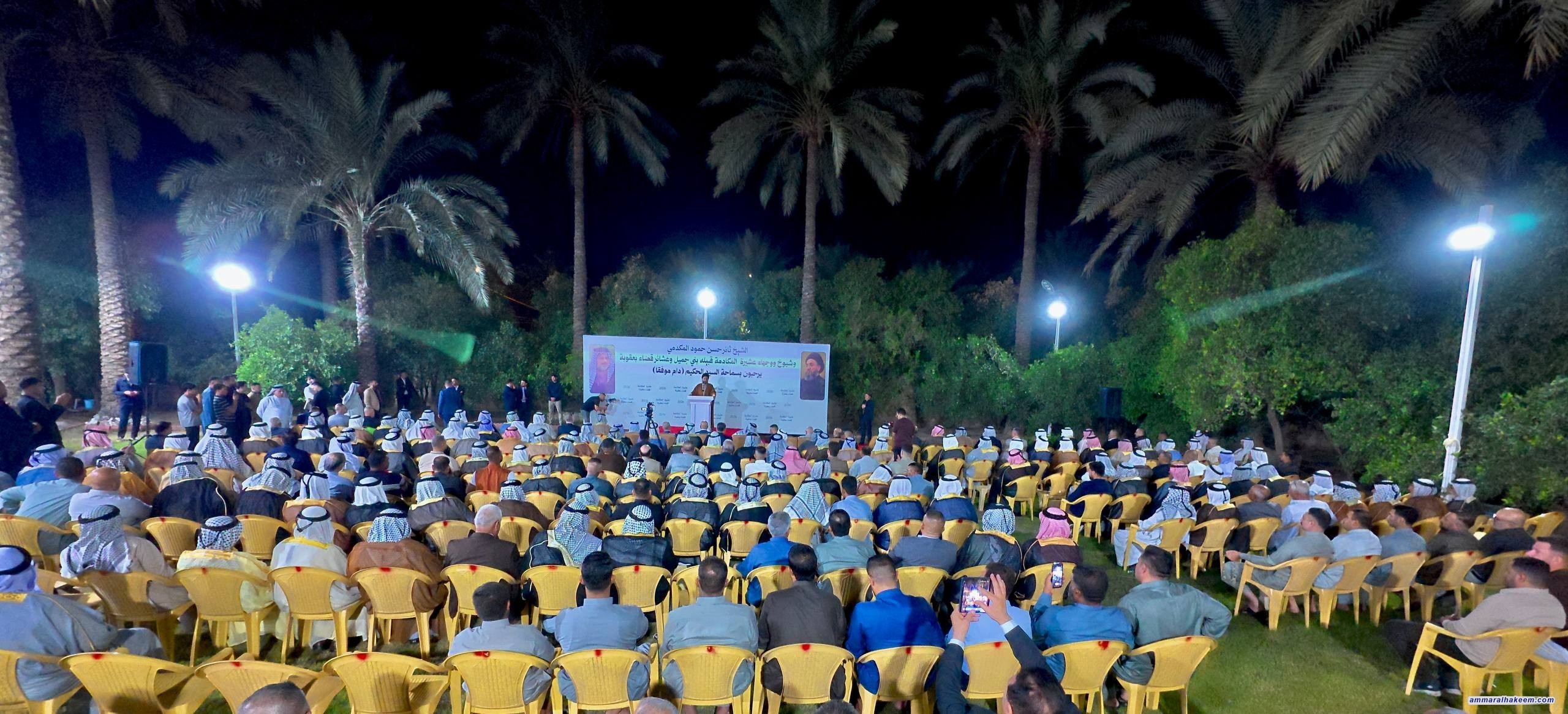
In the guesthouse of Sheikh Thaer Hassan Al-Makdami, His Eminence Sayyid Al-Hakeem, Head of the National State Powers' Alliance, met with a gathering of sheikhs and dignitaries of the Al-Makdami tribe and the other tribes of Diyala Governorate, recalling with them the historical relationship between the tribes of Diyala and the family of Imam Al-Hakeem (may Allah sanctify his soul) at numerous stations in defending Iraq and its land, and stressing the importance of communication, getting to know the problems, and exchanging views on public affairs.
H.E. pointed to the events in the region and their impact on the Iraqi economy, which depends entirely on oil, explaining that the events negatively affected oil production and export, and commending all the efforts made to secure salaries and essential expenditures. H.E. affirmed that the regional events forced Iraq to sell its oil at a price far below the one set in the global price bulletin.
H.E. stressed the importance of supporting farmers and contractors, given the role of these two segments in achieving food security, driving projects, and providing job opportunities, explaining that the government adopted a policy of paying funds to contractors and farmers gradually, and regarding the crisis in the region as a global crisis that has put pressure on the global economy.
H.E. explained that the government's priority is economic, service-oriented, and developmental, which is evidence of the progress of the Iraqi situation, as priorities were previously security and political. H.E. pointed to the nature of the economic challenge, which contributed to the arrival of a prime minister with an economic background who understands the country's reality and its administrative complexities, explaining that Iraq is rich in resources, foremost among them its large human wealth, high intelligence rates, and youthful society.
H.E. regarded investment as an ideal solution for advancing Iraq's economic situation, making it conditional on achieving stability and providing a safe environment for investment, and on confronting any sectarian talk that stirs up strife and provokes the components, and called for adapting legislation and laws to the need for investment.
H.E. affirmed that investments support the economy and provide political cover for Iraq, holding academic elites and tribal sheikhs responsible for supporting the investment path and confronting objections based on unrealistic arguments or tied to agendas that do not want what is best for Iraq, warning against leaving decisions hostage to the fluctuations of public opinion, and calling for competition to serve Iraq through the quality and diversity of services among the governorates.